


Request A Call Back
Dandruff Treatment
Dandruff, sometimes referred to as Seborrheic Dermatitis, is a common dermatologistconcern that presents as an itchy scalp causing excessive shedding of skin flakes. Thiscondition can affect 1 out of every 2 individuals at some point in their lives. It is a harmless,non-contagious skin condition.
If one is experiencing this issues and looking for effective dandruff treatment in Faridabad, one can visit The Skin Clinique, where Dr. Soumya Singh offers the best treatment for skin,hair, and scalp issues.
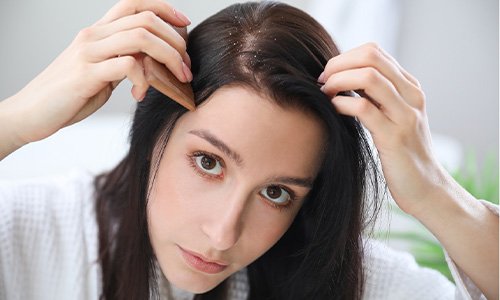
What are the Symptoms of Dandruff?
Dandruff can be characterized as:
- A scaly scalp
- Itchy or irritated scalp skin
- White, brown, or pinkish-red flakes and scales on the scalp or in the hair, that may fallonto the shoulders.
Some people find it hard to differentiate between dry scalp skin and dandruff. Generally, inthe case of dandruff, one can notice large and oily scales on the scalp alongside red andinflamed scalp. Whereas, a dry scalp usually is characterized by small, white skin flakeswithout any evident skin inflammation. Moreover, dry skin is not a localized skin condition,it can happen to even other areas of the skin, such as the arms and legs, other than the scalp.
Consult Dr. Soumya Singh, a dandruff treatment doctor in Faridabad at The Skin Clinique,for an effective treatment for scalp and dandruff-related issues.
Consult Dr. Souma Singh, the best doctor for freckle removal treatment in Faridabad, to get rid of these unwanted freckles and make the skin look flawless.
Causes and Risk Factors of Dandruff
Dandruff is still a mystery to the medical community as its definite cause is unknown. It is the result of a one or combination of factors including:
- Seborrheic Dermatitis – It is one of the skin conditions characterized by oily, irritated skin covered with yellow scales or white flakes typically noticed on the scalp but can affect the skin of the other body parts as well. It is closely linked to Malassezia Globosa- a fungus normally residing on every human scalp and taking up natural hair oils for survival. A too-oily scalp results in the overgrowth of Malassezia Globosa leading to irritated, itchy skin. Dandruff can be a result of this scalp irritation that results in the production of extra skin cells. As these skin cells fall off the scalp, they get mixed with oil and appear as dandruff. To get an effective treatment for seborrheic dermatitis treatment in Faridabad meet Dr. Soumya Singh at The Skin Clinique.
- Less Frequent Hair Brushing – If people less often comb their hair, they would not be able to keep the scalp hair free from any debris. Brushing hair can help in the removal of dead skin cells present on the scalp.
- Some other Skin Conditions – Eczema and psoriasis are two skin conditions associated with itching, therefore anyone experiencing these two concerns is more likely to have dry skin and get dandruff.
- Overgrowth of the Yeast on the Scalp Skin – For some patients, dandruff can be caused by yeast (Malassezia Globosa). As a result, they might face worsening of their dandruff during winters and better scalp health in summers. With UV light exposure, the yeasts can get killed.
- Scalp Skin Prone To Dryness – Experiencing dandruff is more likely in anyone whose skin is often dry. Dry skin can itch and flake on any body part including the skin where it is known as dandruff. Dry skin can be caused by skin irritants like hair sprays and dyes and frequent hair washing with shampoos. For more information on anti-dandruff treatment in Faridabad, consult the expert hair doctor at The Skin Clinique.
- Contact Dermatitis – Dandruff can be unintentionally caused by the usage of some hair care products or shampoos and conditioners to which the scalp skin is sensitive or allergic and gets easily irritated.
The Potential Risk Factors of Dandruff Include
- Some Mental Health Issues – Researchers have found that some neurological and other diseases including stroke, Parkinson’s disease, and neurological illnesses could be linked to an increased risk of seborrheic dermatitis and dandruff.
- Stress Levels – Emotional stress is not a direct cause of dandruff but it has been seen to flare in stressful times. Therefore, for some stressed people, dandruff tends to worsen or aggravate.
- Certain Medications – Some medications can result in a dry scalp and even dandruff such as antihistamines, diuretics (water pills), and statins (cholesterol medications).
- Age – Dandruff tends to be more prevalent in young adults and continues to be noticed in middle-aged individuals but less often in older people.
- HIV/AIDS or any Other Immune System Disorder – Studies have reported that just above 10% of HIV patients experience Seborrheic dermatitis at some point in their lives.
- Weather Conditions – In colder months (winters), dandruff usually appears. This is because of a combination of things- cold air and indoor heating that tends to dry the skin, itchy skin, and an abundance of Malassezia fungus.
- Gender – It has been found that males get dandruff more often than females.
- Diet – People who have an excess of salts, sweets, or spices in their meals as well as alcohol may experience worsening dandruff.
Dandruff Treatment in Faridabad
Dandruff is a non-curable condition, but with trial and error, patients can find out the best approach to take care of their scalp and the best anti-dandruff products to manage any exacerbations they have.
Dandruff treatment typically focuses on slowing down the turnover of skin cells on the scalp or stemming fungal growth.
The anti-dandruff shampoos recommended by the dermatologist in Faridabad, Dr. Soumya Singh, contain active ingredients that block fungal growth. These special agents include:
Initially, the dandruff treatment involves washing hair regularly with any shampoo once a day to make the scalp clear. While having a head wash, the hair must be rinsed well to get rid of any build-up hair products, dirt, and debris. For some people, regular hair washing is beneficial but for some, it may result in an irritated scalp. If regular shampoos failed to treat dandruff, people can go for over-the-counter or prescribed anti-dandruff shampoos.
Salicylic Acid – It is a skin exfoliant capable of removing the scales from the scalp, but can increase the risk of scalp irritation. It is considered a keratolytic agent that helps loosen keratin in the outer skin cells. This acid causes the scalp’s skin to become soft and peel off. It is advised that after washing hair with shampoos containing salicylic acid, conditioners must be used.
Antifungals- These include drugs that can kill Malassezia and prevent any yeast/fungal infections on the scalp. Most powerful antifungals having good scientific evidence for the treatment of dandruff include Ketoco-nazole, Selen-ium sulfide, Zinc pyrit-hione, and Ciclo-pirox olam-ine. The anti-fungal shampoos often require several applications per use. These must be massaged well into the scalp and left for several minutes.
Coal Tar- It helps in delaying the skin cell turnover on the scalp, inhibits the growth of any bacteria, and softens or loosens skin scales. It’s beneficial for people suffering from psoriasis and seborrheic dermatitis. When using coal-tar-based shampoos, they must be accompanied by a rinse and conditioner to remove the coal-tar smell. After washing hair with such shampoos, avoid sunlight exposure as the scalp may become more susceptible to sunburn.
Traditional Medications- There are many different traditional medicated shampoos such as those containing egg oil, tea tree oil, or/and green tea extracts. However, the efficacies of some of them may not be very strong.
Anti-dandruff shampoos must be used every day until dandruff gets under control and can usually help manage the condition. They must not be washed off too quickly as they require proper contact with the scalp surface area for several minutes to exert their effect. In addition, the patients must consult a dermatologist to see the extent of their scalp condition and know about more effective treatments other than shampoos-may be in order. A dermatologist could provide personalized treatments after testing the scalp and knowing what exactly is happening.
For people suffering from seborrheic dermatitis not controlled solely with medicated shampoos, or those who have very itchy scalps, dermatologists may prescribe the occasional application of topical cortico-steroids.
Chemical Peel For Dandruff
Similar to how chemical peeling of the face helps maintain healthy skin, a scalp peel in Faridabad offered at The Skin Clinique involves applying therapeutic goods containing active ingredients to the scalp, leaving them on for a few minutes, and then rinsing them off.
This aids in lowering sebum production, fungal division, and a thorough washing of the scalp. Peeling the scalp helps reduce dandruff more quickly and makes the scalp healthier.
Self-Care and Home Remedies
Some self-care tips can help prevent and treat dandruff, including:
- Massaging the scalp for a few minutes daily to boost blood circulation and dislodge dead skin cells. This can be followed by hair brushing to eliminate loosened flakes.
- If oily scalp, rinsing it with diluted lemon juice or apple cider vinegar can help.
- For dry scalp, perform warm oil treatment once a week.
- Taking supplements containing flax seed or zinc that are known to control dandruff.
- Avoiding excessive use of hair products (including dyes) and opting for allergy-free shampoos and conditioners.
- Performing relaxation techniques to de-stress the mind and body and avoid holding onto negative emotions that can contribute to dandruff.
To know more about anti-dandruff treatment cost in Faridabad, pay a visit with Dr. Soumya Singh at The Skin Clinique.